Source Stainless Steel Water Drinking Bowl for Sheep, Pigs, and Cattle
Find 30 listings for the Stainless Steel Water Drinking Bowl suitable for sheep, pigs, and cattle. Buyers can compare models like WB 18 and DIA15mm, check features such as corrosion resistance, and review customization options from Chinese manufacturers.
Key considerations
Products List


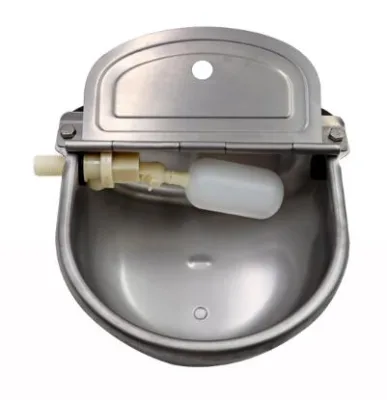

$16.00 - $22.00
MOQ: 200 Pieces


Comprehensive Sourcing Guide
Stainless Steel Water Drinking Bowl Sourcing Guide
Sourcing stainless steel water drinking bowls for livestock requires a disciplined approach that balances material integrity, structural durability, and precise mechanical fit. These components are critical infrastructure in modern animal husbandry, serving as the primary interface for hydration in confined or semi-confined environments. Buyers must recognize that while the core function—delivering clean water—is simple, the engineering behind the bowl involves complex considerations regarding corrosion resistance, leak-proof sealing, and ease of maintenance. The procurement process is not merely about purchasing a container; it is about acquiring a system that minimizes water waste, prevents bacterial growth, and withstands the physical demands of heavy livestock such as pigs, sheep, and cattle.
The market for these products is diverse, ranging from simple manual bowls to automatic, wall-mounted systems integrated with electric power sources for heating or ventilation. Procurement teams must first define the specific operational context, whether it involves epidemic prevention equipment like medicated baths or standard drinking stations. Understanding the application dictates the necessary material grade, structural design, and certification requirements. This guide provides a framework for evaluating suppliers based on observed market signals, technical verification steps, and long-term quality assurance protocols, ensuring that the selected waterers meet both immediate operational needs and long-term durability standards.
Product Scope and Observed Listing Signals
The current market landscape for stainless steel water drinking bowls exhibits a wide variance in specifications, pricing, and minimum order quantities (MOQ). Observed listing data indicates a price range from $0.30 to $45.00 USD, reflecting the disparity between basic plastic-lined steel components and complex, automated stainless steel units. MOQs vary significantly, ranging from small batch orders of single units to industrial-scale requirements of up to 500 pieces. This variability suggests that buyers can access both prototype-level samples and bulk production runs, but they must carefully align their order volume with supplier capabilities to avoid excessive per-unit costs or stockouts.
Product attributes observed in listings highlight key differentiators such as material composition, installation type, and structural automation. Common materials include cast iron and various steel grades, with specific models identified by codes such as "302310" or dimensional standards like "DIA15mm" and "DIA17mm." Installation methods are predominantly wall-mounted, which is critical for space optimization in barns and pens. Furthermore, features like corrosion resistance, leak-proof design, and splash-proof mechanisms are frequently cited, indicating that buyers should prioritize these functional attributes over aesthetic considerations. The presence of OEM services and customization options suggests that many suppliers are capable of tailoring products to specific farm layouts or branding requirements.
Technical Specifications to Verify
Verifying technical specifications is the most critical step in ensuring that the water drinking bowls will perform reliably in harsh agricultural environments. Buyers must confirm the exact material grade of the stainless steel, as not all steel is created equal; while some listings mention "cast iron" or generic "steel," the core keyword specifies stainless steel, which offers superior corrosion resistance. It is essential to verify the thickness of the steel and the quality of the welds, particularly for models with high rigidity claims. Structural integrity is paramount, especially for larger bowls designed for cattle or pigs, where the weight of the animal and the force of water pressure can compromise weaker designs.
Dimensional accuracy and compatibility with existing infrastructure must also be rigorously checked. Listings show a variety of models, including specific diameters like "DIA13mm," "DIA21mm," and standard sizes such as "21cm" or "282 x 44 x 151 mm." Buyers should map these dimensions against their current plumbing and mounting systems to ensure a seamless fit. Additionally, the presence of automatic structures and electric power sources in some models introduces additional technical variables, such as voltage requirements and control mechanisms. For non-electric models, the focus should be on the buoyancy mechanism and the seal quality to prevent leaks. Confirming these details through detailed technical drawings or sample testing is non-negotiable for large-scale deployments.
Compliance and Safety Documentation
Compliance and safety documentation serve as the baseline for assessing the legitimacy and quality of potential suppliers. While specific certification statuses can vary, ISO9001 is a commonly referenced standard in the industry, indicating a supplier’s commitment to quality management systems. Buyers should request valid ISO9001 certificates and verify their authenticity through the issuing body. Additionally, for products involving electrical components, such as heated waterers, compliance with regional electrical safety standards is mandatory. Although CE marking is mentioned in background data, buyers must ensure that any electrical certifications are current and applicable to their specific import region, as regulatory requirements differ significantly between markets.
Safety also extends to the materials used in construction. Stainless steel used in food and water contact applications must be free from harmful contaminants and meet hygiene standards. Buyers should inquire about the specific grade of stainless steel (e.g., 304 or 316) and request material test reports if available. For products marketed as part of epidemic prevention equipment, such as medicated baths, additional documentation regarding chemical compatibility and disinfection efficacy may be required. Ensuring that all documentation is up-to-date and verifiable protects the buyer from regulatory penalties and ensures the health and safety of the livestock.
Cost Drivers and Commercial Terms
Understanding the cost drivers behind stainless steel water drinking bowls helps buyers negotiate better terms and avoid hidden expenses. The primary cost drivers include the grade and thickness of the stainless steel, the complexity of the manufacturing process, and the inclusion of additional features such as automatic mechanisms or heating elements. Cast iron components, while durable, may add weight and shipping costs, whereas lighter steel options may reduce freight expenses but require careful handling to prevent damage. Customization options, such as OEM branding or specific dimensional adjustments, typically incur additional setup fees and higher MOQs.
Commercial terms, including MOQs and payment structures, vary widely among suppliers. Observed MOQs range from small batches to 200 pieces, with some suppliers offering flexible terms for initial orders. Buyers should clarify whether the MOQ applies per model or per order, and whether mixed models are allowed. Payment terms should be negotiated to balance risk, with common practices including partial upfront payments and balance upon shipment or against copies of shipping documents. Additionally, buyers should inquire about warranty periods, with one-year warranties being a common offering, and clarify the process for claiming warranty coverage for defects in materials or workmanship.
Supplier Qualification and Quality Control
Supplier qualification is a multi-faceted process that goes beyond checking certifications. Buyers should assess the supplier’s production capacity, lead times, and quality control protocols. Suppliers that offer customization and OEM services often have more flexible production lines, but this flexibility must be balanced with rigorous quality control measures. Requesting samples is a crucial step in this process, allowing buyers to physically inspect the build quality, material finish, and functional performance of the water bowls. Suppliers that provide samples demonstrate confidence in their products and are generally more reliable partners.
Quality control should also extend to the packaging and shipping process. Listings indicate various packaging methods, including carton, paper box, and wooden case, each offering different levels of protection. For stainless steel products, protection against scratches and dents during transit is essential, as cosmetic damage can lead to corrosion initiation points. Buyers should specify packaging requirements in the purchase order and consider third-party inspection services for large orders. Establishing a clear communication channel with the supplier for addressing quality issues promptly is also vital for maintaining operational continuity.
Long-Term Procurement Checks
Long-term procurement success depends on establishing a sustainable relationship with suppliers and continuously monitoring product performance. Buyers should implement a feedback loop from farm managers and maintenance staff to track issues such as leaks, corrosion, or mechanical failures. Regular audits of supplier performance, including on-time delivery rates and response to quality complaints, help identify potential risks early. Maintaining a diversified supplier base can mitigate the risk of supply chain disruptions, especially for critical infrastructure like water drinking systems.
Furthermore, buyers should stay informed about industry trends and technological advancements in livestock watering systems. As automation and smart farming technologies evolve, there may be opportunities to upgrade to more efficient, water-saving models. Regularly reviewing and updating procurement specifications ensures that the organization remains competitive and responsive to changing operational needs. By combining rigorous initial vetting with ongoing performance monitoring, buyers can secure a reliable supply of high-quality stainless steel water drinking bowls that support the health and productivity of their livestock operations.
FAQs
What is the material of the Stainless Steel Water Drinking Bowl?
The product is primarily made of cast iron or steel, not stainless steel. Some listings specify cast iron material with corrosion resistance features, while others indicate steel construction for durability in animal drinking applications.
Can I customize the size of the water drinking bowl?
Customization is available for this product line. Buyers can request specific dimensions such as 21cm, 290*240*190mm, or other standard sizes like DIA15mm, DIA17mm, and DIA13mm based on their specific animal drinking needs.
What is the minimum order quantity for this equipment?
The standard minimum order quantity is 200 pieces for most items. However, some suppliers offer small MOQ options, allowing buyers to start with smaller quantities depending on the specific product model and packaging requirements.
Which certifications does the manufacturer hold for this product?
The product holds ISO9001 certification, indicating adherence to quality management standards. This certification applies to both computerized and non-computerized production processes, ensuring reliability for agricultural and animal husbandry applications.
How is the water drinking bowl installed on the wall?
The installation method is wall mount, designed for secure attachment in animal housing. The structure is automatic, and the unit features leak-proof and splash-proof capabilities to maintain hygiene in the drinking area.
What is the warranty period for the animal waterer bowl?
The product comes with a 1-year warranty covering manufacturing defects. This warranty applies to the new condition items, ensuring that the cast iron or steel construction remains functional for animal drinking purposes during the period.
Can the supplier provide samples before bulk ordering?
Yes, the supplier can provide samples for evaluation before placing a large order. This allows buyers to verify the product specifications, such as the 1.4kg weight or specific dimensions, before committing to the minimum order quantity.